 Posted by

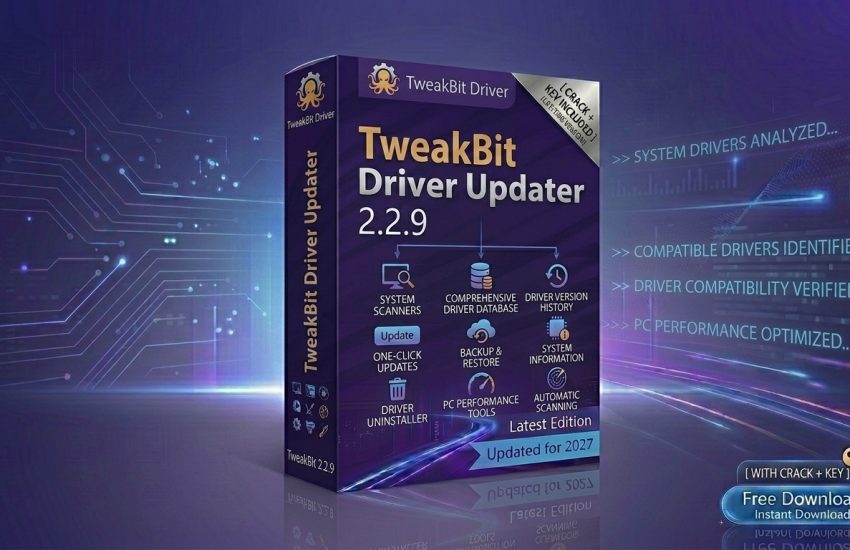
TweakBit Driver Updater (historically maintained across its stable legacy branches) was an automated system tuning utility developed by TweakBit to scan, identify, and update outdated hardware drivers on Windows PCs.
Regarding widespread third-party web search queries tracking a “TweakBit Driver Updater 2.2.9 Crack + License Key [Latest 2027]”: as a technical peer navigating workstation security, it is vital to flag the immediate structural and security realities of this specific application. The TweakBit brand was completely deprecated and retired from active development several years ago. The version string v2.2.9 is an obsolete legacy layout from past operating system generations; any portal advertising a “2027 updated pre-activated patch” or a “v2.2.9 keygen” is a deceptive scam using a defunct brand name to target automated search engines.
Because an automated driver updater requires elevated, unrestricted local administrative privileges to alter low-level kernel execution lines, touch hardware registries, and overwrite files in the Windows Driver Store, running an unverified “crack tool” completely disables your machine’s built-in sandbox defenses. Compromised pirate installers utilize these exact legacy name trends to drop modern automated corporate credential infostealers, clipboard-hijacking trojans, and silent ransomware onto target hosts. Furthermore, attempting to use obsolete, abandoned software to force driver or firmware configurations on modern platforms poses a critical risk—frequently resulting in instant, unrecoverable Blue Screen of Death (BSOD) stability drops or corrupted physical motherboard chipsets. You can safely keep your workstation secure, clean, and perfectly optimized entirely for free using native operating system tracks.
Key Features?
-
Automated Device Tree Sweeping: Historically checked connected system properties against an early cloud database to detect missing or broken peripheral drivers.
-
One-Click Repair Dashboard: Grouped identified hardware conflicts into a unified graphical layout, allowing technicians to trigger updates from a centralized hub.
-
System Restore Points Integration: Triggered the creation of a standard Windows System Restore Point prior to committing heavy background driver modifications.
-
Peripheral Backup Archives: Allowed users to capture and compress their existing, stable driver stacks into an exportable file folder before updates.
-
Basic Performance Tuning Loops: Included basic optimization subroutines designed to tweak background communication lines between the operating system and connected hardware components.
The Modern Hardware & Security Landscape
-
Strict Driver Signature Enforcement: Modern operating systems run strict Virtualization-Based Security (VBS) and driver signature verification enforcement blocks that automatically isolate, flag, and block unauthorized memory injections or unsigned legacy drivers.
-
Aggressive Antivirus Remediation: Mainstream endpoint defense platforms and Windows Defender automatically flag, isolate, and shred unverified activator binaries and obsolete registry tools upon disk mounting due to the extreme risks of kernel-level tampering.
-
Native WHQL Streamlining: Contemporary hardware vendors natively stream their latest certified, stable, and secure driver binaries straight to Microsoft’s official Windows Update delivery networks, keeping standard peripheral operations safe and running without forcing third-party software overhead.
System Requirements:
| Component | Minimum Specification | Recommended Legacy Setup |
| Operating System | Windows XP / Vista / Windows 7 / 8 / 10 | Windows 10 (Legacy environment only) |
| Processor (CPU) | Intel / AMD Single-Core 1.0 GHz | Modern Multi-Core Processor |
| Memory (RAM) | 512 MB Baseline System Memory | 1 GB RAM or higher (Speeds up device tree sweeps) |
| Storage Space | ~15 MB for core installation binaries | Minimal (Maintains an ultra-lean local footprint) |
| Display Layout | 800 x 600 Minimum Screen Canvas | 1024 x 768 or higher display layout |
How to Update System Drivers 100% Free & Safely?
You can keep your computer’s components, graphic cards, and networking chipsets completely up to date and secure without running risky, cracked executable files or abandoned legacy apps on your local hard drive.
-
Utilize Native Windows Update (Free & Verified): Click your system’s Start menu, navigate straight to Settings, open the Windows Update panel, and select Check for updates. To check for specific vendor components, click on Advanced options and select Optional updates. This official delivery channel queries Microsoft’s secure WHQL (Windows Hardware Quality Labs) servers to download and install untouched, digitally signed drivers directly from original manufacturers (Intel, AMD, NVIDIA, Realtek) with 0% risk of malware contamination.
-
Deploy Open-Source Management Utilities: If your development setup explicitly requires a permanent, 100% free offline driver package manager without premium subscription countdown boxes, utilize Snappy Driver Installer (SDI) or its actively updated open-source community branches. This highly secure, expert-vetted toolkit allows technicians to sweep, parse, and install vast networks of raw, uncompressed manufacturer drivers completely safely, cleanly, and at no cost.
-
Utilize Native Manufacturer Ecosystems: If you operate a modern laptop or pre-built desktop workspace, utilize your manufacturer’s native support software (such as Lenovo Vantage, HP Support Assistant, or Dell Command Update). These pristine frameworks interface directly with the vendor’s dedicated internal repositories to deploy safe, legal firmware updates tailored precisely to your exact physical hardware capacitors.