 Posted by
DriversCloud (actively running on its latest v12.1.x structural engine) is a highly respected, hybrid web-and-desktop diagnostic platform designed for deep hardware detection and driver matching. Originally widely known as My-Config.com, DriversCloud differentiates itself by acting as a lightweight local agent that securely parses a machine’s physical hardware IDs and transfers that metadata into a clean web browser interface. There, it compiles highly comprehensive, human-reviewed component spec maps, scans system crash files (BSODs), tracks real-time hardware temperatures, and matches outdated hardware with official WHQL-certified drivers.
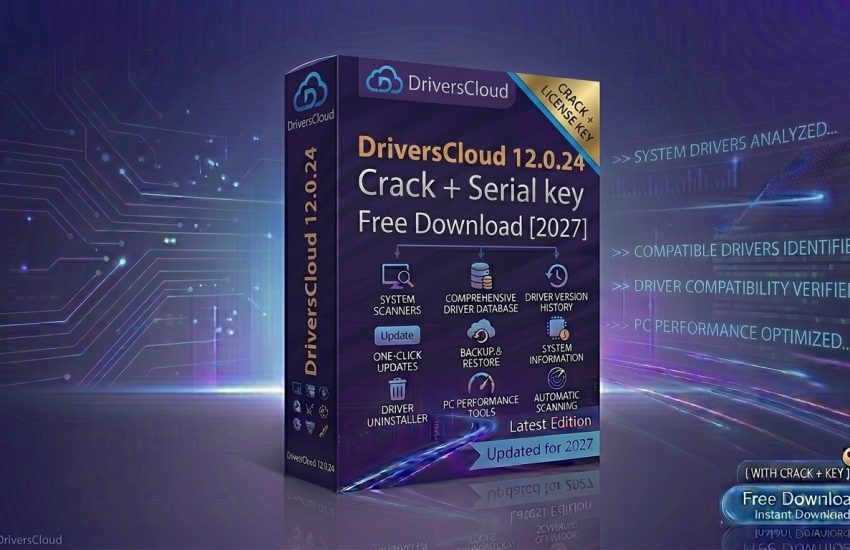
Regarding widespread web searches targeting “DriversCloud 12.0.24 Crack + Serial key Free Download [2027]”: I have some exceptional news for your workstation optimization workflow. DriversCloud is 100% freeware, completely free to use, and legally unrestricted for everyone. It features absolutely no premium paywalls, no software trial countdown blocks, and has absolutely zero use for license keys, serial activations, or pre-activated patches.
Because the service is naturally free, any third-party software repository or pirate blog advertising a “2027 Crack + Keygen” for DriversCloud is serving a deceptive, highly dangerous malware package. The platform tracks clean, certified updates directly in its legitimate stable v12.1 branch; version tags like “12.0.24” matched with fake licensing steps are generated purely to capture search engine traffic.
Because a system hardware agent requires elevated local administrative privileges to scan internal motherboard chipsets, parse physical storage sectors, and extract system crash logs, executing an unverified “crack file” entirely dismantles your operating system’s built-in sandbox barriers. These modified binaries act as deployment vehicles for automated credential infostealers, clipboard-hijacking trojans, and silent ransomware tailored to extract your personal data, browser sessions, or local files. Fetching the untouched, certified binary straight from DriversCloud’s official web portal guarantees 100% data safety and system hygiene.
Key Features:
-
Hybrid Cloud-Sourced Scanning: Deploys a minimal local footprint agent that safely exports encrypted hardware profiles to a web browser dashboard, avoiding heavy application background bloat.
-
Advanced Offline Detection Subroutines: Generates an exportable system configuration file (
.dc) on completely offline computers, allowing technicians to upload the file via an internet-connected machine to source vital offline drivers (like missing network card installers). -
Automated BSOD Crash Analysis: Parses local system memory dump files generated during operating system crashes, pinpointing the specific unstable driver or faulty hardware component responsible for the Blue Screen of Death.
-
Real-Time Hardware Health HUD: Integrates a responsive diagnostic center that tracks live voltage inputs, component power draw metrics, and hardware thermal registers across internal processing nodes.
-
Granular Multi-Level Confidentiality: Features built-in privacy filters that allow users to cleanly wipe out sensitive system identifying details (such as MAC addresses, serial numbers, and local IP strings) before saving or sharing reports on technical forums.
Technical Innovations in the Current Architecture
-
Refactored Driver Service UI: Fully overhauls the internal driver presentation design, making it easier for users to spot optimal, verified manufacturer packages instantly.
-
Hardened Local Code Hardening: Implements strict validation paths for the core collection client, ensuring it communicates cleanly alongside modern system parameters like Virtualization-Based Security (VBS) and Hypervisor-Protected Code Integrity (HVCI).
-
Pure Portable Functionality Option: The detection modules execute as zero-dependency binaries that do not clutter the host machine with hidden startup configurations or unneeded browser tracking scripts.
System Requirements:
| Component | Minimum Technical Specification | Recommended Workstation Standard |
| Operating System | Windows 7 / 8 / 10 / 11 / Linux Core | Windows 11 (Latest 64-bit Core Layout) |
| License Standard | Freeware Ecosystem | 100% Free / No Activation Code Required |
| Processor (CPU) | Intel / AMD Dual-Core 1.5 GHz | Modern Multi-Core Processor |
| Memory (RAM) | 1 GB Baseline System Memory | 2 GB RAM or higher (Speeds up hardware tree sweeps) |
| Storage Space | ~20 MB for the local detection plugin | Minimal (Maintains an ultra-lean operational footprint) |
How to Scan?
To execute a perfectly clean, ad-free hardware analysis and update your drivers without exposing your computer to malicious download portals, follow the official routine:
-
Retrieve Pristine Source Files: Completely bypass suspicious file-sharing domains or unverified torrent index mirrors. Navigate straight to the source at The Official DriversCloud Portal.
-
Initialize the Local Agent: On the main landing dashboard, click the prominent scanning button to download the official, untouched installation plugin executable (
DriversCloud_Win.exe). The setup process runs 100% clean and ad-free, containing zero bundled third-party junkware, malicious registry cleaners, or browser search bars. -
Execute a Non-Destructive Hardware Scan: Launch the application. Click Start Detection to allow the program to safely parse your system variables. Once finished, it will automatically open a secure, private browser window mapped to your exact machine metrics.
-
Review and Download Clean Updates: Navigate through the browser tabs to explore your detailed hardware report. Click on the Find Drivers category to see a tailored list of matching updates. Click the direct links provided to pull untouched, digitally signed WHQL drivers directly from official manufacturer content delivery networks.
-
Utilize Secure Native Alternatives: If you simply want a quick background system update without running secondary tools, click your system’s Start menu, open Settings, navigate directly to the Windows Update panel, and select Check for updates. To catch specific structural component items, look inside Advanced options > Optional updates to stream untouched, digitally signed driver blocks directly from original manufacturers with zero security risk.