 Posted by

Device Doctor (originally developed by Device Doctor Software Inc. as a streamlined system utility) is a legacy driver-scanning application designed to analyze a workstation’s hardware inventory, identify missing or outdated device drivers, and match them against a dedicated online database. The tool historically focused on locating drivers for “Unknown Devices” that Windows could not immediately catalog, simplifying basic maintenance loops for peripheral components like network adapters, audio chipsets, and USB controllers.
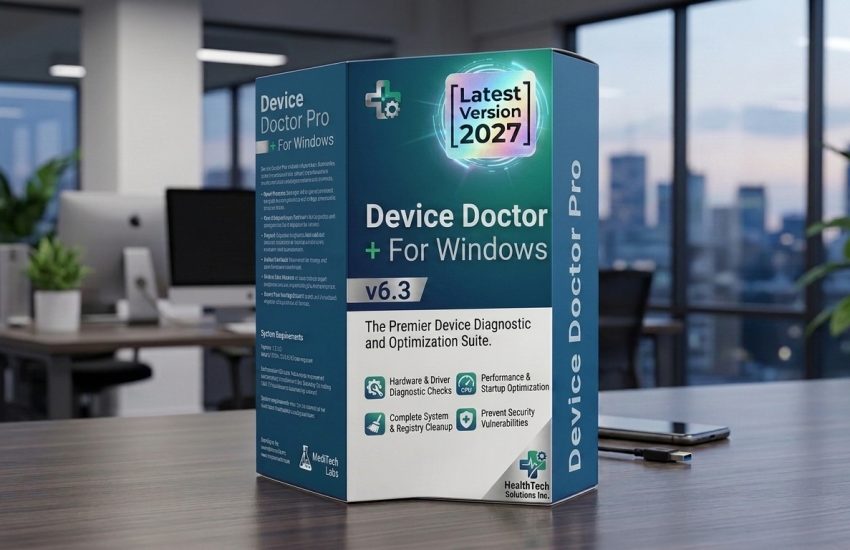
Regarding sketchy third-party download mirrors, suspicious torrent trackers, and warez blogs pushing strings like “Device Doctor Pro 6.3 + [ Latest Version 2027]”: it is critical to call out the technical, structural, and high-severity security realities behind these entries. The version sequence v6.3 paired with a “2027 Premium Activation Patch” is a complete fabrication. The standalone utility has been out of active mainstream consumer development for years. Pirate distribution networks generate these hyper-inflated version numbers exclusively to manipulate search engine optimization (SEO) algorithms and target users looking for quick system repairs.
Furthermore, from a modern endpoint engineering perspective, running third-party automated “Driver Updaters” is highly discouraged, and modern security tools frequently flag these applications as Potentially Unwanted Programs (PUPs). Modern operating systems (like Windows 10 and Windows 11) feature highly advanced, automated driver integration pipelines built directly into their core framework. Forcing external software to overwrite low-level system binaries can disrupt hardware timings, cause peripheral mismatches, or trigger catastrophic Blue Screen of Death (BSOD) loops.
Because a hardware configuration tool must request elevated system administrative privileges to manipulate active hardware controllers, read unique device GUIDs, and install kernel-level device drivers (.sys files), executing an unverified “crack tool” or modified installer completely shatters your workstation’s built-in sandbox security boundaries.
These tampered, black-market installations act as primary distribution vehicles for high-severity corporate credential infostealers, hidden crypto-miners, and silent background ransomware. If a threat actor compromises a tool that has permission to interact with your operating system’s kernel (Ring 0), the malware can completely disable local antivirus guards, log unencrypted keystrokes, siphon browser session tokens, or establish persistent backdoors that survive full system reboots. Relying on pristine, native operating system tools completely eliminates supply-chain risks while ensuring flawless system hygiene.
Structural Architecture of Windows Driver Management
-
Kernel-Level Execution Boundaries: Device drivers run inside the operating system’s kernel space to allow physical hardware components to communicate directly with CPU threads. Compromising this layer compromises the entire machine.
-
WHQL Digital Verification Markers: Modern versions of Windows actively enforce Microsoft Windows Hardware Quality Labs (WHQL) digital signature verifications on inbound drivers, preventing unsigned or modified code from loading at boot time.
-
Risk of Arbitrary Injections: Automated third-party scanning scripts frequently pull generic, non-vendor-optimized packages to match a device ID, which can break specialized features on laptops, such as battery conservation scripts or custom trackpad gestures.
System Requirements:
| Component | Minimum Technical Specification | Recommended Maintenance Standard |
| Operating System | Windows 7 / 8 / 10 | Windows 10 / Windows 11 (Latest 64-bit Core Layout) |
| Privilege Level | Elevated Local Administrator Access | Standard User Mode (Relying on built-in OS tools) |
| Processor (CPU) | 1 GHz Intel / AMD Architecture | Modern Multi-Core Processing Architecture |
| Memory (RAM) | 512 MB Baseline System Memory | 1 GB RAM or higher |
| Storage Allocation | ~10 MB free space for core binaries | Zero local clutter (Maintained via native tools) |
Modern Alternatives: How to Update Drivers Safely
Instead of installing external, risky maintenance tools that can damage your device configurations, rely on the clean, safe, and completely native diagnostic suites built directly into Windows or your hardware manufacturer to restore performance: